Can Jewellery Be a Good Long-Term Investment?
Can Jewellery Be a Good Long-Term Investment?
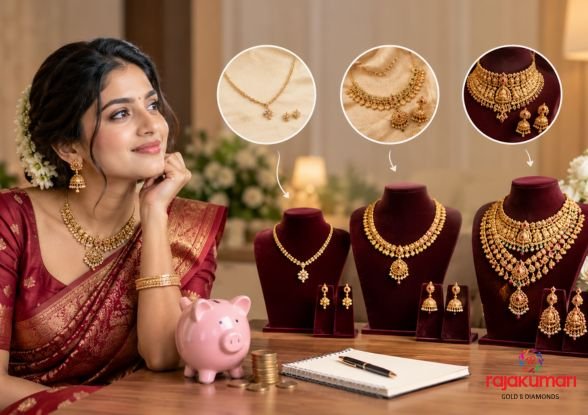
Gold prices in Kerala are so high these days that people often pause before stepping into a jewellery shop. With 1 pavan of gold costing more than ?1.15 lakh in early 2026, it is no longer just a small purchase for a family function. It has become a major financial decision. For many households, the question is simple: is buying jewellery a sound way to save money for the future, or is it better to look at other options?
When people talk about gold as an investment, they usually look at its history. In India, gold is not just a metal; it is a form of security that people can hold in their hands. Over the last twenty years, gold has consistently maintained its value, even when the prices of other things like houses or stocks went through difficult phases. However, buying gold as jewellery is different from buying it as a coin or a bond.
Understanding the Actual Cost of Jewellery
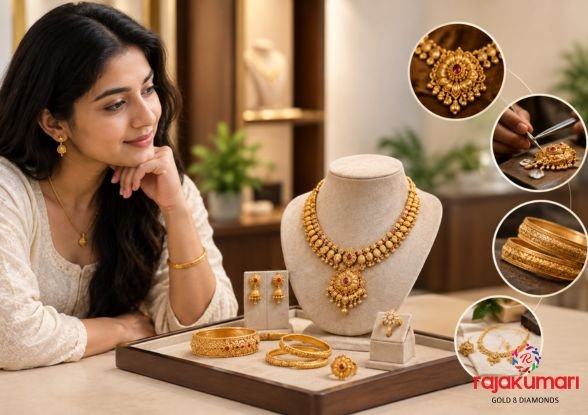
Buying a gold chain or bangle isn’t just about the gold. The design takes work, and there’s a little GST too. Some pieces are simple, some are fancy and take extra effort-that’s why the price isn’t always the same.
Jewellery isn’t something to buy for a quick gain. Its real strength shows over time. As gold prices rise naturally, your piece grows in value, and the design and craftsmanship make it something that’s special for your family, too.
If you’re buying jewellery in Kerala, the smart way is to think long-term. Maybe it’s for your daughter’s wedding years from now, or as a retirement safety net. Either way, your jewellery isn’t just a pretty ornament - it’s a piece of security, something that holds value and meaning over the years.
Why Physical Gold Still Matters in Kerala
There are many new ways to buy gold now, such as digital gold or paper bonds. While these don't have making charges, they lack one thing that physical jewellery provides: immediate use. In a state like Kerala, gold is the most liquid asset a family can own. In case of a sudden medical emergency or a business need, a gold loan can be obtained from a bank or a local branch in minutes.
Digital gold requires a stable internet connection and a bank account, and selling it can sometimes take a couple of days to reflect in the balance. Physical gold is different. It is an "all-weather" asset. It can be worn for a celebration today and used as a financial tool tomorrow. This "utility value" is something that a digital number on a screen cannot offer. This is why Jewellery in Kerala remains a primary choice for savings despite the arrival of modern financial products.
The Role of Purity and HUID
The biggest risk in gold investment is not the price change, but the purity. In the past, people had to trust the word of the local goldsmith. Today, the system is much more transparent. The government has made HUID (Hallmark Unique Identification) mandatory. Every piece of jewellery now has a unique six-digit code.
When buying gold for investment, checking for the HUID mark is the most important step. It ensures that if a person buys 22-karat gold, they are actually getting 91.6% purity. This transparency makes it easier to sell or exchange the gold anywhere in the country at the correct market rate. Without this hallmark, the resale value will always be lower, which ruins the purpose of the investment.
How Gold Schemes Help Buyers
Since the price of gold is so high right now, many people find it difficult to make a large purchase at once. This is where gold purchase schemes become useful. Most reputable brands, like Rajakumari Gold & Diamonds, allow customers to pay a fixed amount every month for about 11 months.
These schemes serve two purposes. First, they help in "averaging" the cost. Since the gold price changes every day, paying monthly means the buyer is not stuck with the highest price of the year. Second, many of these schemes offer a discount or a waiver on making charges at the end of the period. For a long-term investor, this is a significant saving because it removes one of the biggest "entry costs" mentioned earlier.
The Zero-Deduction Advantage
Another factor that makes jewellery a better investment today than it was years ago is the "Zero-Deduction Exchange" policy. In the old days, shops would cut a small percentage of the weight when a customer brought back old gold for exchange. Now, leading shops offer full value for the gold. If a customer brings back 10 grams of old gold to buy a new design, they get the full value of those 10 grams at the current day's rate. This makes the transition from old gold to new designs much more affordable and helps keep the investment value intact.
Conclusion
Is gold jewellery a good long-term investment? The answer depends on how it is bought. If you buy good-quality, hallmarked gold and plan to hold onto it for a few years, it’s one of the safest ways to keep your money secure. It helps protect you as prices rise and gives peace of mind that few other things can match.
It’s best not to buy jewellery just because it looks shiny or you feel like it. If you pick HUID-certified jewellery, check out gold schemes, and buy from trusted stores like Rajakumari Gold and Diamonds that offer fair exchange options, your jewellery isn’t just something pretty to wear- it can also be a safe way to keep your money for the future.
.jpg)

.jpg)