What Jewellery Styles Are Trending for Young Professionals in 2026?
Young professionals in 2026 look at jewellery very differently compared to earlier generations. People are no longer buying jewellery mainly for weddings, big functions, or family pressure. Now, most buying decisions are based on daily use, comfort, work life, and long-term value.
People don’t want jewellery that stays inside lockers or cupboards. They want pieces they can actually wear to the office, meetings, travel, casual outings, and social events. Because of this, the meaning of “trending” has changed. Trends today are not about heavy designs or flashy looks. They are about practical use and everyday wear.
How Work Culture Is Changing Jewellery Preferences
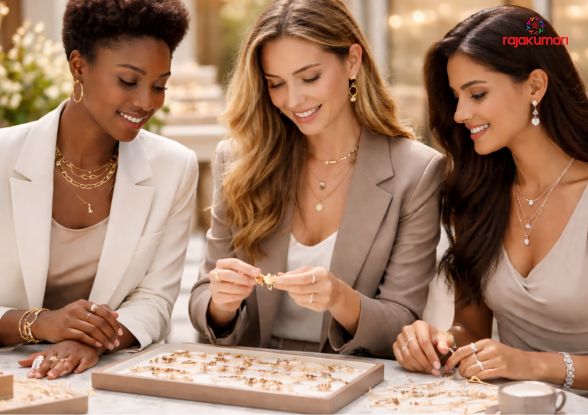
Work life has changed a lot. Many professionals move between office work, remote work, travel, and social life in the same week. Jewellery has had to change with this lifestyle. Heavy jewellery, layered sets, and big traditional pieces don’t really work for everyday life anymore. They are uncomfortable for long work hours, not suitable for office spaces, and not easy to manage while commuting or travelling. Because of this, young professionals prefer jewellery that feels light, simple, and easy to wear.
That’s why lightweight jewellery has become the normal choice. People now choose pieces that don’t get in the way of their work or daily activities. Jewellery is treated more like a daily accessory, not something kept only for special occasions.
Minimal Designs with Everyday Use
Minimalism isn’t really about fashion anymore; it’s more about comfort and convenience. Young professionals choose jewellery the same way they choose things they use every day - it has to be easy to wear and easy to live with.
In 2026, popular choices include:
- Lightweight gold chains
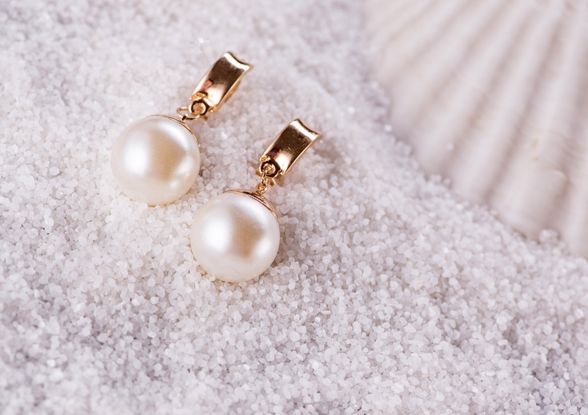
- Simple studs and small earrings
- Thin bangles and bracelets
- Small diamond details
- Clean and simple designs
People don’t care much about how grand a piece looks. They care about how easily they can wear it every day. Jewellery that feels heavy, complicated, or hard to maintain is slowly losing interest among this age group.
Most people want jewellery they don’t have to think about, something that naturally fits into their routine without effort.
Cultural Identity Still Matters
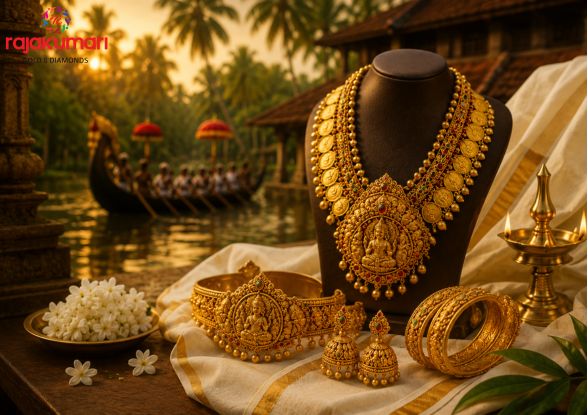
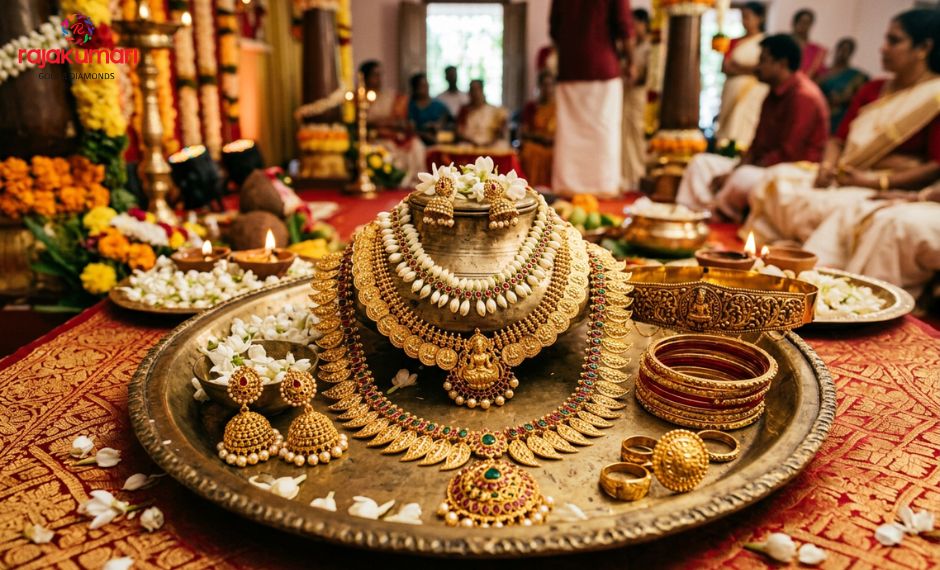
Even though styles are becoming simpler, culture has not disappeared from jewellery choices. It has just changed the way it is used. Kerala traditional ornaments are no longer seen only as heavy jewellery for special occasions. Their designs are now being changed into lighter, more wearable forms. Traditional patterns and symbols are being used in simpler designs that suit modern life.
Instead of heavy temple jewellery, young professionals now prefer:
- Simple traditional patterns
- Cultural symbols in cleaner designs
- Heritage styles with a modern look
- Traditional elements that can be worn daily
The idea isn’t to move away from tradition, but to make it fit into normal life. People do not want to let go of traditional jewelry, but at the same time, they do not want to have pieces that they can only wear on special occasions. They want designs that are familiar to them but can be worn in an office setting or in their daily routine.
Traditional Designs Made Practical for Daily Wear
In 2026, a lot of jewellery sits between old and new. The designs are not fully traditional and not fully modern. They use familiar patterns and symbols, but the size, weight, and structure are made for everyday use instead of occasional wear. These pieces don’t fall clearly into one category. They combine cultural design with a simple, modern structure. Because of this, people can wear them to work, functions, and normal outings without feeling out of place. Hybrid jewellery is popular mainly because it’s easy to use in everyday life.
People don’t want different jewellery for the office, family functions, and social events. They want one type of jewellery that works everywhere. That’s why multi-purpose jewellery is becoming more valuable than jewellery that is only decorative.
Why Local Jewellery Hubs Still Matter
Even though online shopping is common now, jewellery is still a category where trust matters a lot. People care more about quality, trust, and long-term value than convenience.
This is why jewellery in Thrissur and other traditional jewellery hubs is still important for young buyers. These places are trusted because they are known for quality, craftsmanship, and long-standing reputation.
Youngsters may see designs online, but when they actually buy jewellery, they still look for:
- Certified materials
- Clear pricing
- Trusted sellers
- Good resale and exchange options
- Quality assurance
For high-value items like gold and diamonds, people still prefer places where trust is already built.
How Young Professionals Choose Jewellery Today
In 2026, people think more practically when buying jewellery. People don’t buy based on ads or brand stories. They use simple thinking:
- Can I wear it often?
- Can I wear it to work?
- Is it light and comfortable?
- Will it match different outfits?
- Is it easy to maintain?
- Is the quality good?
- Will it keep its value?
If a piece doesn’t fit these points, most people won’t buy it - even if it looks good. This practical thinking has changed how the jewellery market works.
Conclusion
Jewellery trends for young professionals in 2026 are not changed by fashion shows or social media. They are changed by daily life, work routines, and lifestyle needs.
People are choosing jewellery that:
Fits into daily life
Works in office settings
Keeps cultural identity
Has long-term value
Feels comfortable
Is practical to use
Jewellery is no longer just about looks. It is about use, comfort, and meaning. For young professionals, the best jewellery is not the most fancy. It’s the jewellery that becomes part of everyday life without effort. When jewellery becomes part of daily life rather than an occasional choice, it naturally aligns with how Rajakumari Gold and Diamonds has been known over the years.
.jpg)
.jpg)